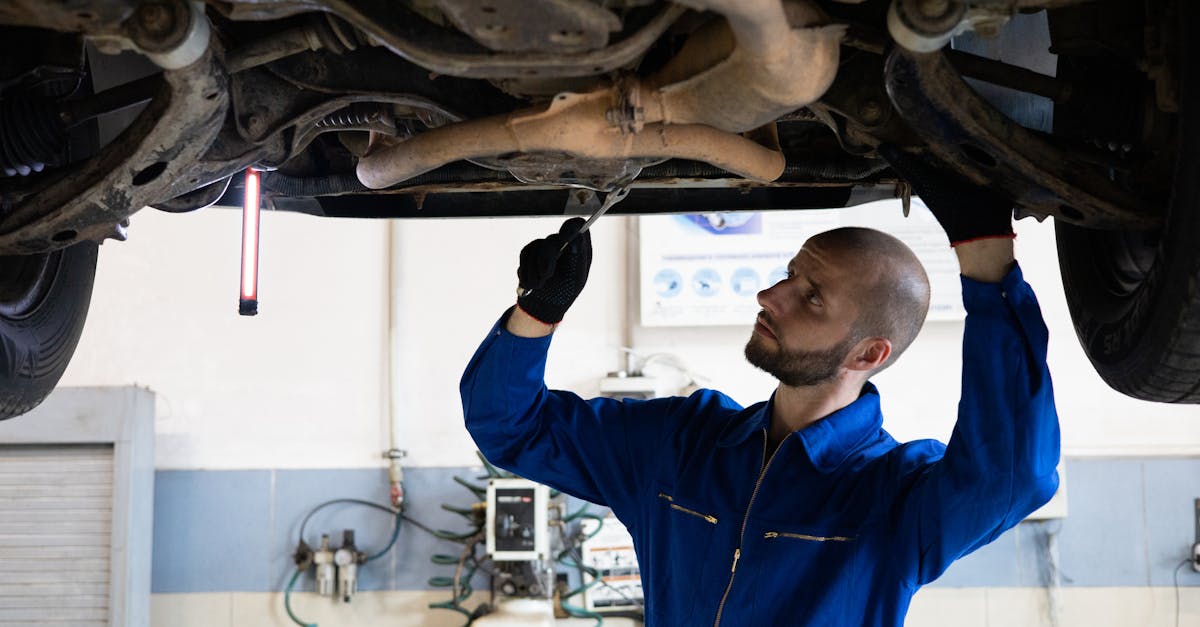
Owning a vehicle is a significant commitment that extends far beyond the initial purchase. It involves a continuous cycle of upkeep, financial planning, and practical decision-making. This guide provides a clear overview of what to expect, helping you navigate the responsibilities with confidence and foresight.
Understanding the Financial Landscape of Vehicle Ownership
The true expense of a vehicle is often underestimated. While the monthly payment is a major component, it is just one piece of a larger financial puzzle. A comprehensive budget accounts for both fixed and variable costs that occur throughout the year.
Fixed and Recurring Expenses
These are the predictable costs that form the foundation of your ownership budget. They are unavoidable and require regular allocation of funds.
- Loan or Lease Payments: Your primary monthly obligation if you financed the purchase.
- Insurance Premiums: Costs vary widely based on coverage level, driving history, location, and the vehicle itself.
- Vehicle Registration and Taxes: Annual or biennial fees required by your state to keep the vehicle legally on the road.
- Depreciation: The silent, inevitable cost as the vehicle loses value over time, impacting its eventual resale or trade-in worth.
Variable and Operational Costs
These expenses fluctuate based on your usage, market conditions, and the vehicle’s age. They demand a flexible portion of your budget.
- Fuel: A direct function of mileage, fuel efficiency, and current gas or electricity prices.
- Routine Maintenance: Includes oil changes, tire rotations, fluid top-offs, and filter replacements as outlined in your owner’s manual.
- Repairs: Unplanned costs for parts that wear out or fail, such as brakes, batteries, or alternators.
- Tires: A significant periodic expense, as tires typically need replacement every 25,000 to 50,000 miles.
- Parking and Tolls: Daily or occasional costs that can add up quickly, especially in urban areas.
Essential Maintenance for Long-Term Reliability
Proactive care is the most effective strategy for preserving your vehicle’s performance and avoiding costly, unexpected breakdowns. Adhering to a scheduled maintenance plan is non-negotiable for responsible ownership.
Following the Manufacturer’s Schedule
Your vehicle’s owner’s manual is the definitive source for maintenance intervals. These schedules are engineered to maximize the lifespan of critical components.
- Oil and Filter Changes: The lifeblood of your engine; intervals can range from 3,000 to 10,000 miles depending on the oil type and engine.
- Tire Care: Regular rotation (every 5,000 to 8,000 miles) ensures even wear, while monthly pressure checks optimize safety and fuel economy.
- Brake Inspections: Have pads, rotors, and fluid checked regularly. Squealing or grinding noises are clear indicators service is needed.
- Fluid Services: Coolant, transmission fluid, brake fluid, and power steering fluid degrade over time and require periodic flushing and replacement.
Seasonal and Preventative Checks
Beyond the manual, seasonal changes and visual inspections can prevent minor issues from becoming major repairs.
- Battery Testing: Especially important before extreme weather, as batteries are prone to failure in both intense heat and cold.
- Wiper Blade Replacement: Streaking or skipping blades compromise visibility and should be replaced at least once a year.
- Light Function Checks: Regularly verify all headlights, brake lights, turn signals, and interior lights are operational.
- Belts and Hoses: Inspect for cracks, fraying, or soft spots during oil changes, as a failure can lead to immediate breakdown.
Everyday Considerations for Vehicle Management
Daily use involves a series of small decisions and habits that collectively impact your safety, costs, and overall experience. Developing a mindful approach to driving and vehicle care pays continuous dividends.
Driving Habits That Make a Difference
How you drive directly influences wear and tear, fuel consumption, and safety.
- Avoid Aggressive Driving: Rapid acceleration and hard braking increase fuel use and accelerate wear on brakes and tires.
- Observe Speed Limits: Higher speeds significantly reduce fuel efficiency due to increased aerodynamic drag.
- Minimize Short Trips: Engines that don’t reach full operating temperature experience higher levels of internal wear and moisture buildup.
- Reduce Idling: Modern engines do not require long warm-up periods. Excessive idling wastes fuel and contributes to unnecessary emissions.
Organizational and Logistical Planning
Staying organized is key to managing the administrative side of vehicle ownership efficiently.
- Maintain a Service Log: Keep a physical or digital record of all maintenance and repairs, including dates, mileage, and receipts.
- Understand Your Warranty: Know what is covered, for how long, and the required steps to keep the warranty valid.
- Prepare an Emergency Kit: Include items like a flashlight, basic tools, jumper cables, a first-aid kit, water, and non-perishable snacks.
- Plan for Parking and Storage: Secure, off-street parking protects your vehicle from weather and potential damage, potentially lowering insurance costs.
Planning for the Long Term
A strategic, long-term perspective helps you make informed decisions about repairs, upgrades, and eventual replacement. This involves evaluating the cost-benefit analysis of keeping an older vehicle versus moving to a new one.
When to Repair and When to Replace
As a vehicle ages, major repairs become more likely. A clear framework can guide this critical decision.
- Evaluate Repair Cost vs. Vehicle Value: A common rule is to reconsider major repairs that exceed 50% of the vehicle’s current market value.
- Consider Reliability and Frequency: If repairs are becoming frequent and are disrupting your daily life, reliability may be compromised.
- Factor in Future Costs: A large repair today may be worthwhile if it ensures several more years of reliable service with minimal other expenses.
Building a Vehicle Ownership Fund
The most effective way to manage the variable costs of ownership is through dedicated savings. This fund acts as a financial buffer for both expected maintenance and unexpected repairs.
- Set a Monthly Savings Target: Financial experts often recommend setting aside between $75 and $150 per month for a typical vehicle.
- Treat It as a Non-Negotiable Expense: Contribute to this fund as consistently as you pay your insurance premium.
- Use It for Its Purpose: This fund is specifically for maintenance, repairs, tires, and other direct vehicle costs, not general expenses.
Successful vehicle ownership is built on a foundation of knowledge, preparation, and consistent action. By understanding the full spectrum of costs, adhering to a disciplined maintenance schedule, adopting sensible driving habits, and planning for future expenses, you transform ownership from a series of reactive challenges into a manageable, predictable part of your life. This proactive approach is the definitive strategy for ensuring your vehicle remains a reliable asset for years to come.

Leave a Reply