Why Eco-Friendly Renovations Make Financial Sense
Many homeowners assume that going green requires a hefty upfront investment with little immediate payoff. However, the reality is that the most effective eco-friendly upgrades focus on reducing waste and optimizing existing systems. For instance, sealing air leaks and upgrading insulation can cut heating and cooling costs by up to 20% annually, according to the U.S. Department of Energy. When you combine these savings with federal tax credits and local rebates—such as the Energy Efficient Home Improvement Credit—the payback period often shrinks to just a few years. Moreover, buyers increasingly prioritize energy-efficient homes, making these renovations a smart long-term investment.
High-Impact Renovations for Lower Utility Bills
1. Advanced Insulation and Air Sealing
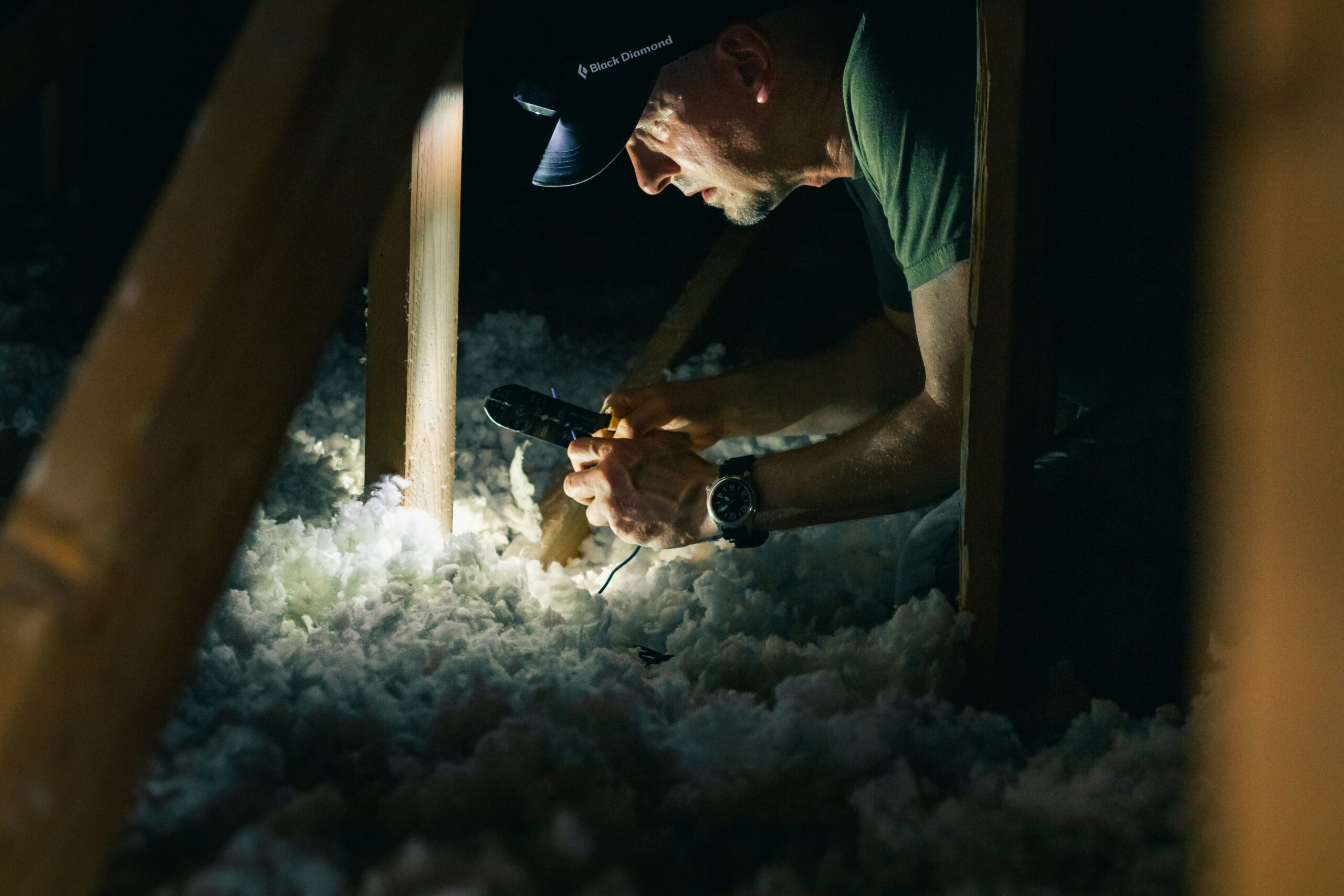
Your home’s envelope—the barrier between indoor and outdoor environments—is the single most important factor in energy efficiency. Start with a professional energy audit to identify weak spots. Common culprits include attic hatches, gaps around windows and doors, and uninsulated walls. Upgrade to materials like spray foam insulation, which provides a higher R-value per inch than traditional fiberglass. For air sealing, use caulk for small cracks and expanding foam for larger gaps. Pro tip: Don’t forget the basement rim joists—they’re often overlooked but can account for 15% of heat loss.

2. High-Efficiency Windows and Doors
Old, single-pane windows are notorious energy drains. Replacing them with double- or triple-pane, low-emissivity (low-E) glass windows can reduce heat transfer by up to 50%. Look for the ENERGY STAR label and choose frames made from vinyl or fiberglass, which offer better insulation than aluminum. For doors, consider steel or fiberglass models with a polyurethane foam core. While the upfront cost is significant—typically $500 to $1,500 per window—the combination of energy savings and increased home value (often recouping 70-80% of cost) makes it a worthwhile upgrade.
3. Smart Thermostats and Zoned HVAC
Heating and cooling account for nearly half of a typical home’s energy use. Installing a smart thermostat, such as the Nest or Ecobee, allows you to program temperature schedules based on occupancy. These devices learn your habits and can reduce HVAC usage by 10-15% annually. For even greater efficiency, consider a zoned HVAC system. By dividing your home into separate temperature zones, you avoid heating or cooling unused rooms. Pair this with a heat pump, which transfers heat rather than generating it, and you can see a 30-50% reduction in energy consumption compared to a traditional furnace.
Renovations That Boost Home Value
4. Solar Panel Installation
Solar technology has become more accessible and affordable than ever. According to the Lawrence Berkeley National Laboratory, homes with solar panels sell for an average of 4.1% more than comparable homes without them. Beyond the resale premium, you can eliminate or drastically reduce your electricity bill. Many states offer net metering programs, allowing you to sell excess power back to the grid. The key is to choose a reputable installer and ensure your roof has adequate sun exposure. Important: Check local incentives; the federal Investment Tax Credit (ITC) currently covers 30% of installation costs.
5. Water-Efficient Fixtures and Landscaping
Water bills are often overlooked but can be a significant monthly expense. Swap out old toilets for WaterSense-labeled models, which use 20% less water per flush. Install low-flow showerheads and faucet aerators to reduce hot water consumption, which also lowers your water heating costs. Outside, consider xeriscaping—using native, drought-tolerant plants that require minimal irrigation. A rainwater harvesting system for garden use can further reduce your water bill. Buyers appreciate these low-maintenance, cost-saving features, particularly in drought-prone regions.
6. Energy-Efficient Appliances and Lighting
When it’s time to replace major appliances, choose ENERGY STAR-certified models. A modern, efficient refrigerator uses 40% less energy than a 2001 model. Induction cooktops are another excellent choice—they’re 90% energy-efficient compared to 65% for gas. For lighting, switch to LED bulbs throughout the home. They use 75% less energy and last 25 times longer than incandescent bulbs. While these are smaller upgrades, they collectively contribute to a lower utility bill and a more attractive listing.
Practical Tips for Maximizing ROI
- Prioritize based on climate: In cold climates, focus on insulation and heating upgrades. In hot climates, prioritize reflective roofing and efficient cooling systems.
- Take advantage of rebates: Search the Database of State Incentives for Renewables & Efficiency (DSIRE) for local programs that can offset 10-30% of costs.
- Document everything: Keep receipts and energy audit reports. When selling, provide potential buyers with a summary of upgrades and estimated annual savings.
- Consider phased renovations: If budget is tight, tackle the most impactful upgrades first—air sealing, insulation, and the HVAC system—then move to windows and solar later.
Common Mistakes to Avoid
One frequent error is focusing solely on technology without addressing the building envelope. Installing solar panels on a leaky, poorly insulated home is like putting a new roof on a house with a crumbling foundation. Similarly, avoid “greenwashing” by choosing products that claim to be eco-friendly but lack third-party certifications like ENERGY STAR or WaterSense. Finally, don’t underestimate the importance of professional installation. A poorly installed heat pump or solar array can underperform, negating potential savings.
Conclusion

Leave a Reply