Every homeowner eventually faces the same dilemma: you want to improve your living space, but you also know that not every upgrade will pay for itself when it comes time to sell. The gap between what a renovation costs and what it adds to your home’s resale value can be surprisingly wide. A gourmet chef’s kitchen might be your dream, but if it costs $80,000 and only adds $45,000 to your home’s market price, you’ve effectively lost money. Understanding the difference between cost and value is not just about budgeting; it is about strategic investment. This article cuts through the marketing hype to examine which renovations genuinely offer the best return on investment (ROI), helping you make decisions that balance personal enjoyment with financial prudence.
The Fundamental Difference Between Cost and Value
Before diving into specific projects, it is critical to understand the distinction. Cost is the total amount you pay a contractor for materials, labor, permits, and design fees. Value is the estimated increase in your home’s resale price that a real estate appraiser or buyer will attribute to that renovation. The ROI is calculated by dividing the value increase by the cost. A 100% ROI means you get back every dollar spent. In the current market, very few renovations achieve that. The national average for most major projects hovers between 50% and 80%, though some smaller updates can exceed 100%.

High-ROI Renovations: The Smart Bets
These projects consistently deliver strong returns because they address universal buyer concerns: curb appeal, energy efficiency, and functional space.
1. Minor Kitchen Remodel
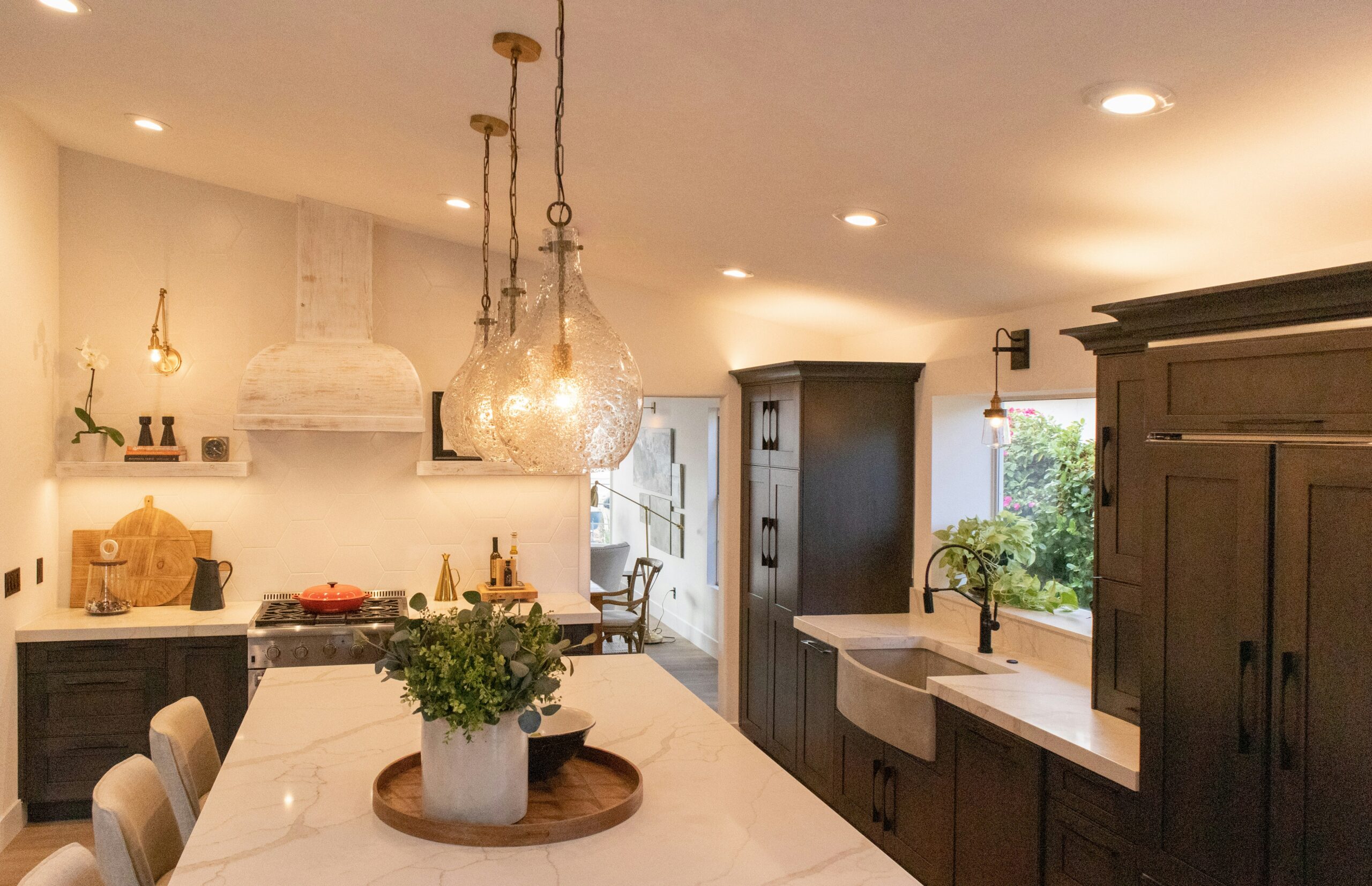
A full gut renovation of a kitchen often yields a disappointing ROI (around 55-65%). However, a minor kitchen remodel is a different story. This involves keeping the existing cabinet boxes and replacing just the fronts, drawer fronts, and hardware. Add a new mid-range countertop (like quartz), a modern backsplash, and energy-efficient appliances. The cost is typically $20,000 to $30,000, and the value added can be $18,000 to $24,000, yielding an ROI of 70-80%. The key is avoiding structural changes and expensive custom cabinetry.
2. Garage Door Replacement
This is the single highest-ROI project in the real estate industry. Replacing a worn, dated garage door with a high-quality, insulated steel door costs roughly $4,000 to $5,000. According to national cost vs. value reports, this project recovers over 93% of its cost at resale. It dramatically improves curb appeal, enhances security, and improves energy efficiency for the garage space. It is a simple, fast upgrade that buyers notice immediately.
3. Manufactured Stone Veneer
Replacing a portion of your home’s exterior siding with manufactured stone veneer (often on the lower third of the facade or around the entryway) offers an impressive ROI of 90% or more. The cost for a medium-sized project is around $10,000 to $12,000, and it adds a premium, high-end look that elevates the entire home’s perceived value. It is far less expensive than natural stone but provides a similar aesthetic impact.
4. Entry Door Replacement (Steel)
Replacing a front door with a new steel door is another curb-appeal champion. A high-quality steel door with good insulation costs about $2,000 installed. It recovers roughly 85-90% of its cost. It offers security, energy savings, and a fresh first impression. Fiberglass doors can be even more energy-efficient, but steel doors generally offer the best value-to-cost ratio for resale.
Medium-ROI Renovations: Proceed with Caution
These projects add significant value but often come with higher costs that reduce the overall percentage return.
1. Bathroom Remodel (Mid-Range)
A complete bathroom renovation—replacing the tub, toilet, vanity, tile, and lighting—costs around $25,000 to $35,000. The average ROI is between 60% and 70%. While you will not get all your money back, a dated bathroom can be a deal-breaker for buyers. The smartest approach is to focus on fixtures and finishes rather than moving plumbing lines. Keeping the tub in the same location saves thousands.
2. Deck Addition (Wood)
Adding a wood deck costs roughly $15,000 to $20,000 and recovers about 65-75% of that cost. Decks expand living space and are highly desirable in warmer climates. However, composite decking, while more durable and lower maintenance, often has a lower ROI because of its higher upfront cost (around $25,000+). If resale value is your primary goal, a well-built pressure-treated wood deck is the better financial move.
3. Siding Replacement (Fiber Cement)
Replacing old vinyl or wood siding with fiber cement (like James Hardie) costs $15,000 to $20,000. It offers an ROI of about 70-75%. It dramatically improves the home’s appearance and energy efficiency. The catch is that it is a large upfront investment, and the return is realized only if the rest of the home is in comparable condition.
Low-ROI Renovations: Proceed with Caution (or Skip Them)
These projects are often driven by personal taste or luxury desires. They rarely pay for themselves and can even make a home harder to sell if they are too niche.
1. Luxury Master Suite Addition
Adding a large master bedroom with a spa-like bathroom and walk-in closet is a massive expense, often exceeding $100,000. The ROI is typically below 50%. Buyers may not want to pay a premium for features they consider over-the-top, like heated floors, a steam shower, or a custom walk-in closet that eats up square footage from other rooms.
2. Home Office Conversion (Formal)
While remote work is common, converting a bedroom into a fully customized, built-in office with high-end cabinetry and wiring is risky. The cost is high (often $15,000+), and the next buyer might want that room as a bedroom. A simple, neutral room with good lighting and a few outlets is a better investment. Flexibility is worth more than specialization.
3. In-Ground Swimming Pool
A pool is the classic example of a lifestyle purchase, not an investment. In colder climates, it can actually decrease property value due to maintenance costs and safety concerns. Even in warm climates, the ROI is typically between 30% and 50%. If you want a pool, build it for your enjoyment, not for resale.
Practical Tips for Maximizing ROI on Any Project
Regardless of which renovation you choose, these strategies will help you preserve value:
- Stay in line with the neighborhood. Do not over-improve your home beyond the average price point of comparable houses on your street. A $100,000 kitchen in a $300,000 neighborhood will not recoup its cost.
- Focus on neutral finishes. Bold colors, exotic tiles, or ultra-modern fixtures may appeal to you but can alienate a broad pool of buyers. Stick to whites, grays, and natural wood tones.
- Hire licensed, insured contractors. Permits and professional workmanship add to the appraised value. DIY work that is not up to code can actually reduce value or create liability.
- Consider energy efficiency. Upgrades like attic insulation, Energy Star windows, and efficient HVAC systems not only lower utility bills but also appeal to environmentally conscious buyers. They often qualify for tax credits, improving your net cost.
- Get multiple quotes. Costs vary wildly by region and contractor. A difference of 20% on a $30,000 project directly impacts your ROI.
Conclusion
When it comes to home renovations, the old adage holds true: not all investments are created equal. The projects that deliver the best ROI are those that address curb appeal, basic functionality, and energy efficiency—the things every buyer cares about. A new garage door, a minor kitchen refresh, or an updated front door consistently outperform luxury additions like pools or high-end master suites. The smartest approach is to prioritize projects that improve your daily life while also appealing to the broadest possible market. Before you swing a hammer or write a check, ask yourself one question: “Would a buyer pay me back for this, or am I doing this for myself?” If the answer is the latter, enjoy it—but do not expect a financial return. By focusing on the renovations that bridge cost and value, you can create a home that is both more enjoyable to live in and more profitable to sell.
Photo Credits
Photo by Alexander Fife on Unsplash

Leave a Reply