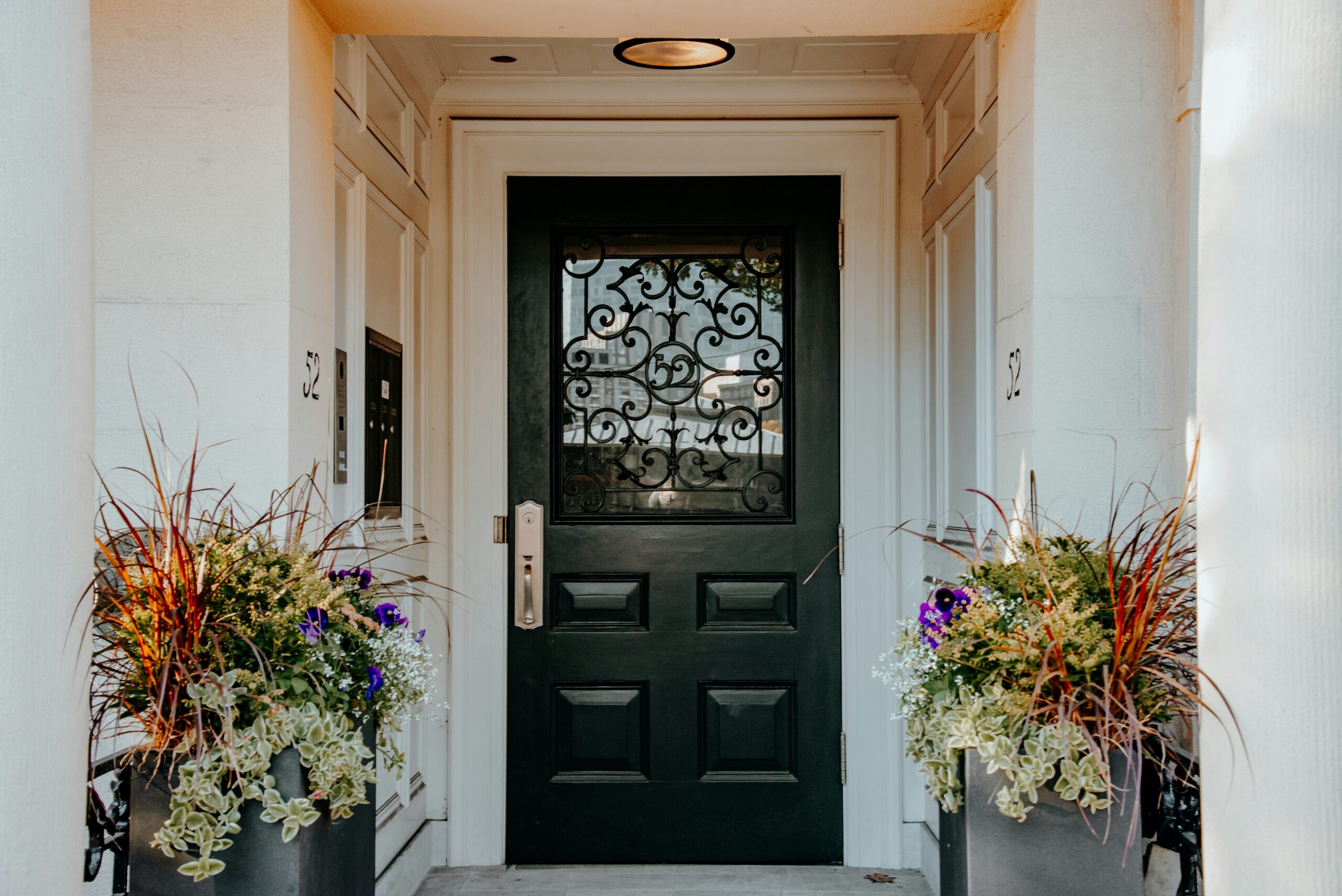
Every homeowner dreams of a space that reflects their personal style, but the smartest renovations do more than just please the eye—they build equity. The difference between a costly vanity project and a true investment lies in strategy. Whether you are preparing to sell in the next year or simply want to strengthen your financial asset, understanding which upgrades yield the highest return on investment (ROI) is critical. In a market where buyer expectations shift rapidly, throwing money at a kitchen countertop or a bathroom tile without a plan can actually reduce your home’s overall appeal. This article breaks down the data-driven decisions that separate profitable renovations from expensive mistakes, focusing on projects that deliver both immediate enjoyment and long-term financial gains.
The Foundation: Understanding ROI in Real Estate Renovations
Before swinging a hammer, you must grasp the concept of return on investment as it applies to real estate. ROI in home renovations is not simply the difference between what you spend and what you get back at sale. It includes factors like curb appeal, functional utility, and market timing. According to the latest Cost vs. Value Report, the national average for recouping renovation costs hovers around 60% to 70% for major remodels, but certain strategic projects can push that number above 90%.

Key Metrics to Evaluate Before You Renovate
- Neighborhood Ceiling: Never over-improve beyond the top 20% of your neighborhood’s home values. A luxury chef’s kitchen in a starter-home neighborhood will not return its cost.
- Cost Recovery Percentage: Focus on projects where you recoup at least 70% of the cost at resale. Minor kitchen remodels and garage door replacements often lead this category.
- Time Horizon: If you plan to sell within two years, prioritize cosmetic updates and deferred maintenance. If you plan to stay for five or more years, structural and energy-efficiency upgrades offer better long-term value.
High-Impact, Low-Cost Renovations That Move the Needle
You do not need a full gut renovation to add five figures to your home’s value. Often, the most profitable changes are the ones that address first impressions and daily livability. These projects typically cost between $1,000 and $10,000 and deliver an ROI of 80% to 100%.
1. The Front Door and Entryway
Real estate agents consistently cite curb appeal as the single most important factor in attracting buyers. Replacing a worn front door with a modern steel or fiberglass model yields an average ROI of 91%. Pair this with fresh hardware, a new house number, and a coat of paint on the porch trim. This is the lowest-effort, highest-impact upgrade you can make.
2. Minor Kitchen Refresh
A full kitchen remodel can cost $50,000 or more, but a minor kitchen refresh—refacing cabinets, installing a new backsplash, upgrading to quartz countertops, and swapping out dated appliances for mid-range stainless steel models—often recoups 85% of its cost. The key is to avoid custom cabinetry or premium imported stone in mid-tier homes.
3. Professional Painting and Lighting
Nothing ages a home faster than scuffed walls and outdated light fixtures. A neutral, high-quality paint job (think warm greys and soft whites) costs roughly $3,000 for a 2,000-square-foot home but can increase perceived value by 5% to 7%. Similarly, replacing brass or boob-lights with modern LED fixtures and dimmer switches creates an instant sense of luxury without breaking the bank.
Mid-Range Investments: Where to Spend for Maximum Returns
For homeowners with a budget of $15,000 to $40,000, the focus should shift to projects that improve functionality and energy efficiency. These renovations often appeal to appraisers as well as buyers.
Bathroom Remodel (Mid-Range)
Updating a primary bathroom with a new vanity, toilet, tub, and tile surround typically costs around $20,000 and returns about 70% to 75% at sale. However, if you are not moving, the daily enjoyment factor is very high. Focus on waterproofing, good ventilation, and neutral finishes. Avoid trendy colors like deep navy or emerald green unless you plan to live there for a decade.
Attic Insulation and HVAC Upgrades
Energy efficiency is no longer a niche selling point—it is a requirement for many buyers. Adding blown-in attic insulation (cost: $1,500 to $3,000) and upgrading to a high-efficiency HVAC system (cost: $5,000 to $10,000) can reduce utility bills by 20% to 30%. These improvements are often highlighted in home energy audits and can qualify for tax credits. The ROI is not just in the sale price but in faster offers and fewer inspection negotiations.
The Major Renovations: Proceed with Caution
Large-scale renovations like basement finishing, room additions, and luxury kitchen overhauls carry the highest risk. While they can add significant value, they also have the widest variance in ROI. A basement conversion, for example, can return anywhere from 50% to 75% depending on whether you add a bathroom, egress window, and proper waterproofing.
When to Say Yes to a Major Addition
Adding a bedroom or a home office makes sense only if your current layout is functionally obsolete. For example, converting a three-bedroom, one-bath home into a three-bedroom, two-bath home in a family-oriented neighborhood can add $30,000 to $50,000 in value. However, adding a fourth bedroom to a home that already has three may not yield a proportional return. Always consult a local real estate agent and an appraiser before starting structural work.
Hidden Value: The Renovations That Don’t Show in Photos
Buyers and appraisers also reward homes that have been maintained behind the walls. These “invisible” upgrades can prevent price reductions during negotiations.
- Plumbing and Electrical: Upgrading old galvanized pipes or knob-and-tube wiring to modern copper and PEX adds safety and insurability. Many insurance companies offer discounts for updated systems.
- Roof Replacement: A new asphalt shingle roof costs $7,000 to $15,000 but can increase resale value by $12,000 to $18,000, while also preventing buyer financing issues.
- Foundation and Drainage: Correcting a wet basement or foundation cracks is not glamorous, but it is non-negotiable. A home with a clean structural report sells faster and at a premium.
Common Pitfalls That Destroy Renovation ROI
Even experienced homeowners fall into these traps. Avoid them to protect your investment:
- Over-Personalization: A hot pink accent wall or a custom wine cellar may delight you, but they will alienate 90% of buyers. Stick to neutral palettes and flexible layouts.
- Ignoring Permits: Unpermitted work can kill a sale. Buyers’ lenders often require permits for structural changes, and failing to pull them can lead to costly fines or forced removals.
- Cutting Corners on Labor: Hiring an unlicensed contractor to save $2,000 can result in shoddy work that costs $10,000 to fix. Always verify licenses, insurance, and references.
- Forgetting the Exterior: A gorgeous interior with peeling siding, a cracked driveway, and dead landscaping tells buyers the home was not well cared for. Allocate at least 10% of your renovation budget to exterior maintenance.
How to Finance Your Strategic Renovation
Cash is king, but not everyone has $30,000 sitting in savings. Consider these financing options based on your equity and timeline:
- Home Equity Line of Credit (HELOC): Best for ongoing, phased renovations. Interest rates are typically lower than personal loans.
- Cash-Out Refinance: Ideal for major, one-time projects. You replace your mortgage with a larger loan and pocket the difference.
- Personal Loan: Good for small projects under $15,000, but watch for higher interest rates.
- Credit Cards (with caution): Use only for materials and only if you can pay off the balance within the 0% introductory period.
Conclusion
Photo Credits
Photo by Khay Edwards on Unsplash

Leave a Reply